Tai Pla (Southern Thai Fish Stomach Curry) — The Dish Nobody's Making

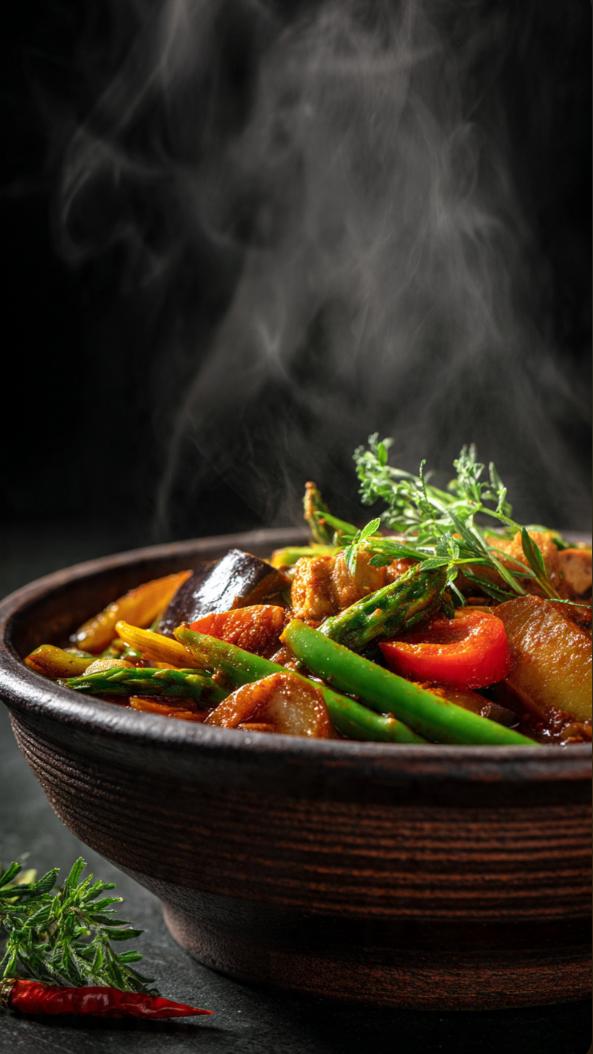
Tai Pla (Southern Thai Fish Stomach Curry) — The Dish Nobody's Making
Tai pla is the underground king of Southern Thai curries. It's made with fish stomachs, smells like the ocean on a hot day, tastes deeper than any curry you've ever had, and most Thai restaurants in America don't even have it on the menu.
The reason it's rare: fish stomachs are hard to source, the smell is intimidating, and most American palates aren't ready for the funk. The people who are ready for it? They can't stop thinking about it.
This is the version I developed after tracking down fish stomachs at an Asian market in Arlington, making it, failing, adjusting, and making it again until I understood what it was supposed to be.
What You Need
- 1 lb fish stomachs (catfish or tilapia — cleaned thoroughly by the fishmonger)
- 2 tbsp red curry paste (Mae Ploy)
- 1 can (13.5 oz) full-fat coconut milk
- 1 cup fish stock (made from fish heads and bones)
- 1 tbsp fish sauce
- ½ tsp shrimp paste (belachan, toasted)
- 10 kaffir lime leaves, torn
- 3 Thai eggplants, quartered (or regular eggplant, cubed)
- 5 bamboo shoots, sliced
- ½ cup green beans, cut into 2-inch pieces
- Thai basil leaves for garnish
- 2 tbsp neutral oil
The Method
- Prep the fish stomachs. If the fishmonger cleaned them, they'll be pink and clean on the inside. If not, slice them open, rinse thoroughly under cold water, remove any remaining debris. Slice into 1-inch pieces. The smell at this stage is normal — it's the ocean. It mellows during cooking.
- Fry the curry paste. Heat coconut cream (scoop from top of can) in a wok over medium heat. Add red curry paste. Fry 3 minutes until the oil separates and the paste deepens. Under-fried paste = raw, bitter taste. Watch for the oil separation.
- Add the fish stomachs. Toss the sliced fish stomachs into the fried curry paste. Stir to coat every piece. Cook 2 minutes — you want the outside to start searing but the inside should still be soft. The stomachs cook fast and get chewy if you overcook them.
- Add coconut milk and stock. Pour in coconut milk and fish stock. Add fish sauce, toasted belachan, and kaffir lime leaves. Bring to a gentle simmer.
- Veggies. Add Thai eggplants, bamboo shoots, green beans. Simmer 5–7 minutes until the eggplants are tender and the green beans are cooked but still crunchy.
- Finish. Turn off heat. Stir in Thai basil. Taste — adjust with more fish sauce (depth) or a pinch of sugar (balance). Serve over jasmine rice.
The Intelligence
Why fish stomachs specifically: Fish stomachs have a unique texture — chewy, slightly crisp on the outside, tender on the inside — that no other fish part provides. The stomach lining has a natural saltiness and a slight snap when cooked properly. This texture, combined with the funk from the natural enzymes in the stomach lining, is what makes tai pla taste like tai pla. Fish fillets in the same curry would taste like fish curry. Fish stomachs taste like tai pla.
Don't overcook the stomachs: Fish stomachs are thin-walled. Overcooking turns them tough and rubbery. They need only 2 minutes in the curry paste and 5–7 minutes in the broth. If they start to feel like rubber bands, you cooked them too long. The sweet spot: the outside is slightly chewy, the inside is soft.
Troubleshooting — too fishy: The curry is supposed to taste like the ocean — but there's a line between "ocean" and "raw fish guts." If you've crossed it, you either didn't clean the stomachs thoroughly, or the curry paste is too weak. Next time, rinse the stomachs 3 times and use more curry paste. The strong curry paste masks the fishiness while the fish stock amplifies the depth.
If you can't find fish stomachs: Use fish maw (swim bladder) or skip the whole thing and make regular red curry with shrimp. The fish stomach version is the original Southern Thai experience, but red curry with shrimp is a fine substitute when the stomachs are unavailable. Most Asian markets in Dallas will have them frozen — ask the fish counter.
Creative twist — the fermented shrimp paste boost: Add 1 extra tablespoon of toasted belachan at step 3 along with the fish stomachs. The fermented shrimp paste adds a depth that makes the fish stomachs taste even more oceanic, more funky, more Southern Thai. This is the version I served to a group of Thai friends and they asked for seconds before asking for the recipe.
The Science Notes
Why the fish stomach texture: Fish stomach lining is composed of smooth muscle tissue with a unique collagen structure — it's designed to stretch and contract as the fish eats. When cooked briefly in hot curry, the collagen partially denatures (softens) but retains enough structure to maintain a slight snap. Overcooking denatures too much collagen, turning the tissue rubbery. 5–7 minutes in hot curry is the collagen sweet spot.
Why fish stock not water: Fish stock adds glutamates (natural MSG compounds) from the fish bones and heads, creating an oceanic depth that water or chicken stock can't match. The glutamates in fish stock bind to the same taste receptors as MSG, creating the same umami response. The difference: fish stock has hundreds of additional aromatic compounds that MSG alone doesn't provide. Water has none of them. The broth depth is completely different.
Why coconut cream for frying: Same principle as green curry — the fat in coconut cream extracts the fat-soluble aromatic compounds from the red curry paste. These compounds (galangal, lemongrass, chili oil) are primarily oil-soluble. Frying in coconut cream extracts them; adding curry paste to water extracts almost none. The oil separation at step 2 is the visual confirmation that the extraction is working.
Original recipe — written from scratch after sourcing fish stomachs, testing, failing, and testing again. The smell is normal. The funk is the point.